BY ADRIANA VAN TILBURG
PHOTOGRAPHY: PETER LLEWELLYN; EQUIGLIM/INDOOR FRIESLAND; RENATE TEENSMA
During Indoor Friesland in Leeuwarden, the Netherlands, JongKFPS, JongKWPN, and Indoor Friesland joined forces to organize the very first edition of the Breeders’ Café during the dressage weekend.
Young and experienced breeders came together to learn from leading figures in Dutch breeding. More than 200 attendees listened attentively as topics such as stallion selection, foaling, rearing, selection, training, judging, and linear scoring were discussed. Among the speakers were Fred van Straaten Sr., Sietske Oosterbaan, Waling Haijtema, Arie van Balen Jr., Janko van de Lageweg, Joop van Uytert, Age Okkema, Koen Brinkman, Jelmer Chardon, Wout-Jan van der Schans, Johan Hamminga, and Sabien Zwaga.
Fred van Straaten: Vision and structure
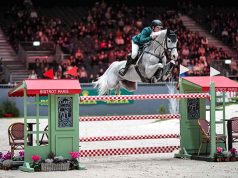
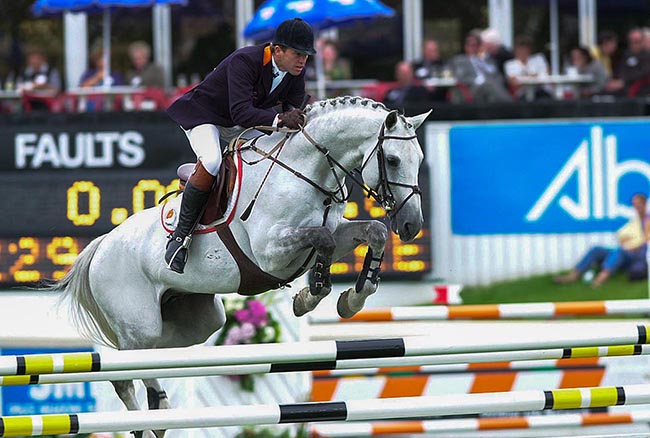
Fred van Straaten explains: “Each year we breed between 20 and 25 foals ourselves, and we also do embryo flushing for clients. In total, around 30 foals are born with us annually. Our young mares are covered at the age of three, they have a foal at four and again at five, and after that they go into sport. From that point on, they are trained, and if a mare proves to have enough quality, she continues her Wout-Jan van der Schans jumping with Corland at the Spruce Meadows Masters, 2001 and (top centre) with his winning Dutch Nations’ Cup team in Rotterdam 2025 sporting career. If not, we part ways with both the mare and her offspring. The colts are sold each year; the fillies stay. At two-and-a-half years old, we select them based on x-rays, free jumping, type, and conformation. The best mares continue in our breeding program.
On stallion choice, Fred is clear: “The most important criterion in our breeding program is performance. All our mares compete in sport, and we apply the same standards to stallions. A stallion must come from a mare who has performed in sport herself or has produced sport horses – ideally over several generations. We always try to use young stallions. That’s not always the most commercial decision, but when a young stallion distinguishes himself at five, six, or seven years old, he becomes interesting to us. He must meet those same sport criteria, and his dam line must be strong. The pedigree structure must offer potential – otherwise, we don’t start.”
He continues: “We breed with young mares and young stallions. Some people prefer to play it safe and use proven stallions, but I believe true progress comes from young, genetically interesting stallions. The current trend is to use older, long-deceased stallions again, but in my view, those horses no longer fit the modern sport model we need today. The young stallions now entering the breeding programs meet the studbooks’ standards for conformation, type, and correctness, and that’s good enough for me. These young stallions can truly make a difference and move the breeding forward.” ...
CLICK HERE TO READ THE COMPLETE ARTICLE IN THE ONLINE EDITION OF BREEDING NEWS